March - Ants - A Recent Job & Some Homeowner Tips
By Ryan, Owner, Knockout Pest Control
What I Walked Into
March is when ant calls start picking up around Metro Vancouver. The weather shifts just enough, and suddenly kitchens and bathrooms become busy highways.
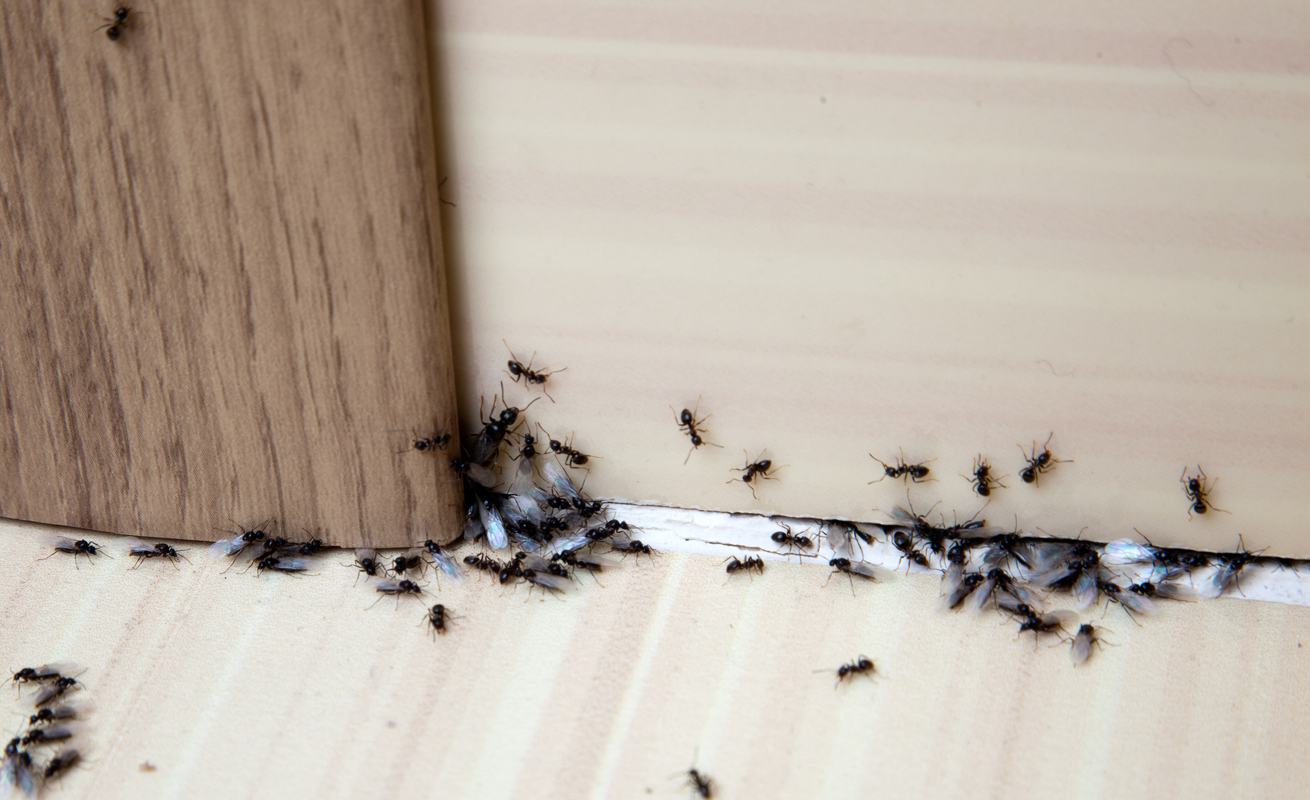
This one started with a message from a homeowner who said they noticed a “small line of ants” near the kitchen sink. They had wiped them away a few times, but they kept coming back. At first, they thought it was just a couple scouts. By the third day, the line was steady.
It was a townhouse, well-kept, nothing out of the ordinary. When I arrived, the ants were active along the back wall of the kitchen, running between the baseboard and under the cabinets.
That’s usually when people realize it’s not random.
The Problem
During inspection, it became clear this wasn’t just ants wandering in from outside. There was an established trail. Ants don’t move that consistently unless there’s a nest nearby or a strong food source drawing them in.
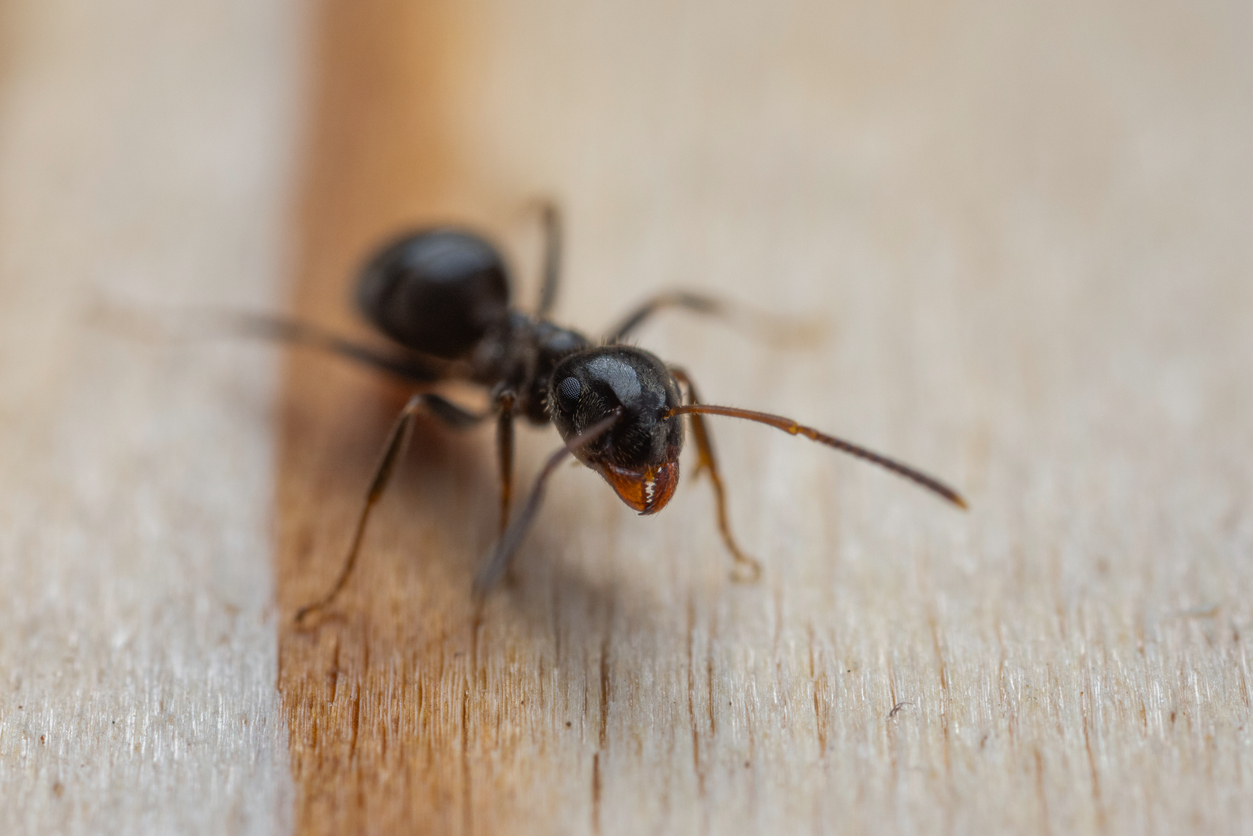
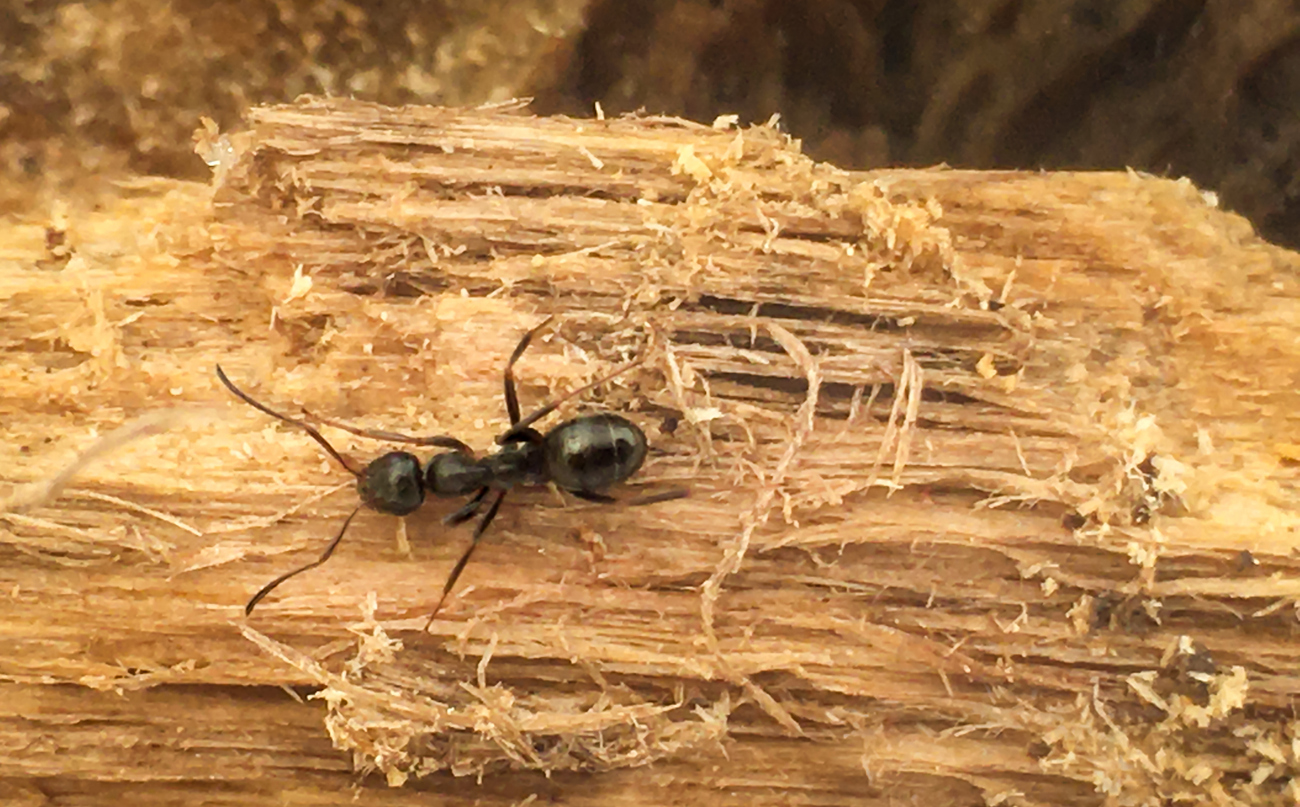
In this case, they were small pavement ants. They had likely entered through a tiny crack along the foundation and were using gaps behind the kitchen cabinets to travel unseen.
The issue with ants isn’t just that they’re annoying. Once a colony establishes a food route, it becomes consistent. Wiping them away doesn’t solve it because the colony is still active somewhere nearby.
The homeowner was frustrated more than anything. They were cleaning constantly and couldn’t understand why the ants kept returning. That’s common. Ant problems often feel like they’re coming out of nowhere.
The Process
We started with a full inspection inside and outside the home. I traced the ant trail backward to see where they were entering and how they were moving through the structure.
Outside, I found activity along the patio stones and a small gap in the foundation line. Inside, the ants were traveling behind the dishwasher area where moisture and warmth made it easier for them to settle.
Treatment for ants is about targeting the colony, not just the visible trail. We applied a targeted bait system that workers would carry back to the nest. That way, the colony itself is addressed rather than just the ants you see on the counter.
We also sealed the small exterior entry points and addressed the moisture area under the sink. Ant control only works long term if access and conditions are handled together.
Throughout the process, I explained what I was doing and why. Ant treatments require a little patience. You usually see activity increase slightly before it drops off as the colony is affected.
The Outcome
Within a few days, the ant trail started to thin out. At first, there were still a few stragglers, which I had prepared the homeowner for. That’s normal when bait is working through a colony. By the end of the week, there were no visible ants moving along the baseboards or counters.
When I followed up, the homeowner said the biggest difference was how relaxed the kitchen felt. They weren’t scanning the counters every time they walked in. They weren’t wiping down the same spot multiple times a day or feeling embarrassed about having people over.
It’s not just about getting rid of ants. It’s about getting rid of that constant low-level stress that comes with seeing them. Once the activity stopped and stayed stopped, the house felt normal again. That’s usually what people notice first.
DIY Advice I Shared
Before leaving, I gave them a few practical things to stay on top of:
Wipe counters and floors at night, especially around sinks, dishwashers, and garbage areas
Store sugar, flour, cereal, and other dry goods in sealed containers instead of original packaging
Avoid leaving pet food out overnight — even small crumbs can keep ants coming back
Take garbage out regularly and rinse recycling containers
Check for small cracks along baseboards, window frames, and exterior walls
Keep outdoor patio stones and foundation lines clear of soil buildup and debris
Fix minor plumbing drips quickly — ants are often drawn to moisture more than food
Trim plants or branches that touch exterior walls so ants don’t use them as a bridge
They followed those steps consistently, and it made a difference. After treatment, prevention is what keeps ants from re-establishing. With ants, small habits done regularly are usually what keep the problem from coming back.
Professional Insight
Ant problems often look small at first. You might see a thin trail along a counter or a few ants near the sink and assume it’s minor. But what you’re seeing is usually just a small group of workers. The main colony can be much larger and hidden behind walls, under floors, or outside along the foundation.
When people try to handle it on their own, they often focus on killing the ants they can see. The issue with that approach is the colony stays intact. If the nest isn’t affected, the ants either keep coming back or shift their trail to a new area of the house. That’s why you sometimes hear people say, “They disappeared for a week and then showed up somewhere else.”
Professional treatment focuses on the source. Baiting systems allow worker ants to carry products back to the colony. Identifying nesting zones and entry points helps stop the problem at its origin instead of just managing surface activity.
Catching it early definitely makes things easier. Once ants establish multiple nests inside or around a home, it takes more time and coordination to resolve. Early action usually means a quicker and more straightforward fix.
Closing
Every spring in Metro Vancouver, I’m reminded how quickly ants show up once temperatures change. It doesn’t mean a house is dirty. It just means conditions are right.
If you start seeing a steady trail instead of a random ant or two, it’s usually worth taking a closer look.
– Ryan
